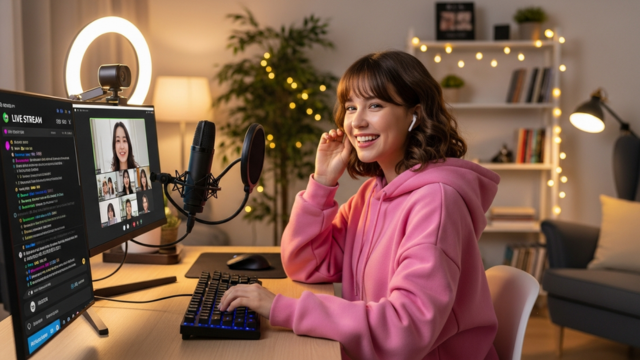
In today’s digital entertainment landscape, convenience is king. Viewers expect their favorite shows, movies, and live programs to be available whenever and wherever they want. They also expect to pick up on one device exactly where they left off on another, without interruptions or complicated syncing. This consumer expectation has led to one of the most significant evolutions in streaming: multi-device support. It’s no longer an optional feature but a fundamental requirement for any platform aiming to deliver a satisfying, seamless experience.
Meeting Viewers Where They Are
Modern audiences live fast-paced, multitasking lives. They watch content during commutes, on lunch breaks, while waiting in line, or at home relaxing on the couch. Multi-device support empowers viewers to shift between smartphones, tablets, laptops, and smart TVs effortlessly. This adaptability means entertainment can fit naturally into daily routines instead of forcing viewers to adapt to a platform’s limitations.
The best streaming platform understands this and ensures that apps run smoothly across all major operating systems and devices. Whether someone is watching a documentary on their tablet in bed or continuing an action film on a smart TV, the experience needs to feel equally fluid. This device freedom enhances the viewer’s connection to the content, making them more likely to remain loyal to the platform.
A Seamless Continuity of Experience
One of the greatest pleasures of modern streaming is the ability to pause and resume content across devices without missing a beat. This continuity strengthens engagement, especially for viewers who juggle busy schedules. Being able to watch a few minutes of a show on a phone while traveling, then switching to a larger screen at home, creates a frictionless viewing environment.
Platforms that master multi-device syncing remove the frustration that once dominated digital media consumption. Gone are the days of manually searching for where you left off, struggling with incompatible formats, or dealing with buffering issues caused by outdated apps. Instead, multi-device support ensures that viewers enjoy uninterrupted access to their favorite video online content in the highest possible quality.
Enhancing Accessibility and Inclusivity
Multi-device support does more than boost convenience—it makes entertainment more accessible. Different viewers have different needs. Some prefer larger screens due to eyesight limitations, while others rely on mobile devices because they lack access to a TV or computer. Families may share devices, and young viewers may rely almost entirely on handheld screens.
By offering robust support across a range of devices, streaming services create a more inclusive environment. It becomes easier for people of all ages, abilities, and lifestyles to enjoy content without feeling restricted. Accessibility is a crucial part of viewer satisfaction, and multi-device compatibility is one of the most effective ways to achieve it.
Supporting Diverse Viewing Habits
The rise of streaming has created new viewing habits that differ dramatically from traditional TV. Some people binge-watch entire series in a weekend. Others watch in short intervals throughout the day. Certain users prefer vertical video optimized for mobile screens, while many love cinematic visuals best enjoyed on big TVs.
Multi-device support gives viewers the freedom to engage with content in whatever way feels most natural. When a platform adapts to these diverse viewing styles, it builds deeper trust and encourages longer viewing sessions. The more flexible the system, the more satisfied the audience becomes.
Strengthening Brand Loyalty in a Competitive Market
The streaming industry is more competitive than ever. With countless services offering similar content libraries, user experience has become a major differentiator. Platforms that excel in multi-device support win long-term loyalty by proving they value their viewers’ time and convenience.
This is especially evident among independent creators and brands navigating the digital entertainment world. For example, emerging platforms featuring creators like Dark Girl rely heavily on cross-device performance to reach global audiences. Fans searching for updated information such as 다크걸주소 often discover that reliable accessibility across phones and desktops makes their viewing smoother and more satisfying. Consistency across devices becomes part of what builds a lasting relationship between audiences and content providers.
The Emotional Impact of Flexibility
Entertainment is emotional. People watch shows that comfort them, movies that inspire them, and live events that connect them to a larger community. Multi-device support enhances these emotional experiences by removing barriers. A viewer can switch to a mobile screen when they want privacy or move to a big screen to share a moment with friends or family. They can watch in bed, on the bus, or outdoors without losing connection to their chosen story.
This flexibility strengthens emotional engagement. When viewers feel that a platform supports their lifestyle—not the other way around—they associate the service with reliability and ease. It becomes more than just a place to watch content; it becomes a companion in their daily lives.
The Future of Multi-Device Streaming
As technology continues to advance, multi-device support will only grow more essential. We’re seeing new devices emerge—from wearable screens to VR headsets—and streaming platforms will need to adapt. Future viewers will expect instant syncing across every device they own, possibly even those that haven’t been invented yet. Cross-device personalization, voice-controlled transitions, and AI-powered continuity features will shape the next chapter of streaming.
What remains clear is that multi-device support already plays a vital role in viewer satisfaction. It enhances convenience, accessibility, emotional connection, and brand loyalty. It transforms video online content from something viewers consume occasionally into something they can weave seamlessly into their everyday lives. And in a world where entertainment is constantly evolving, the platforms that prioritize flexibility will remain the ones people return to again and again.